Unlocking the Power Within: Exploring the Ancient Practice of Qigong
- 0 comments
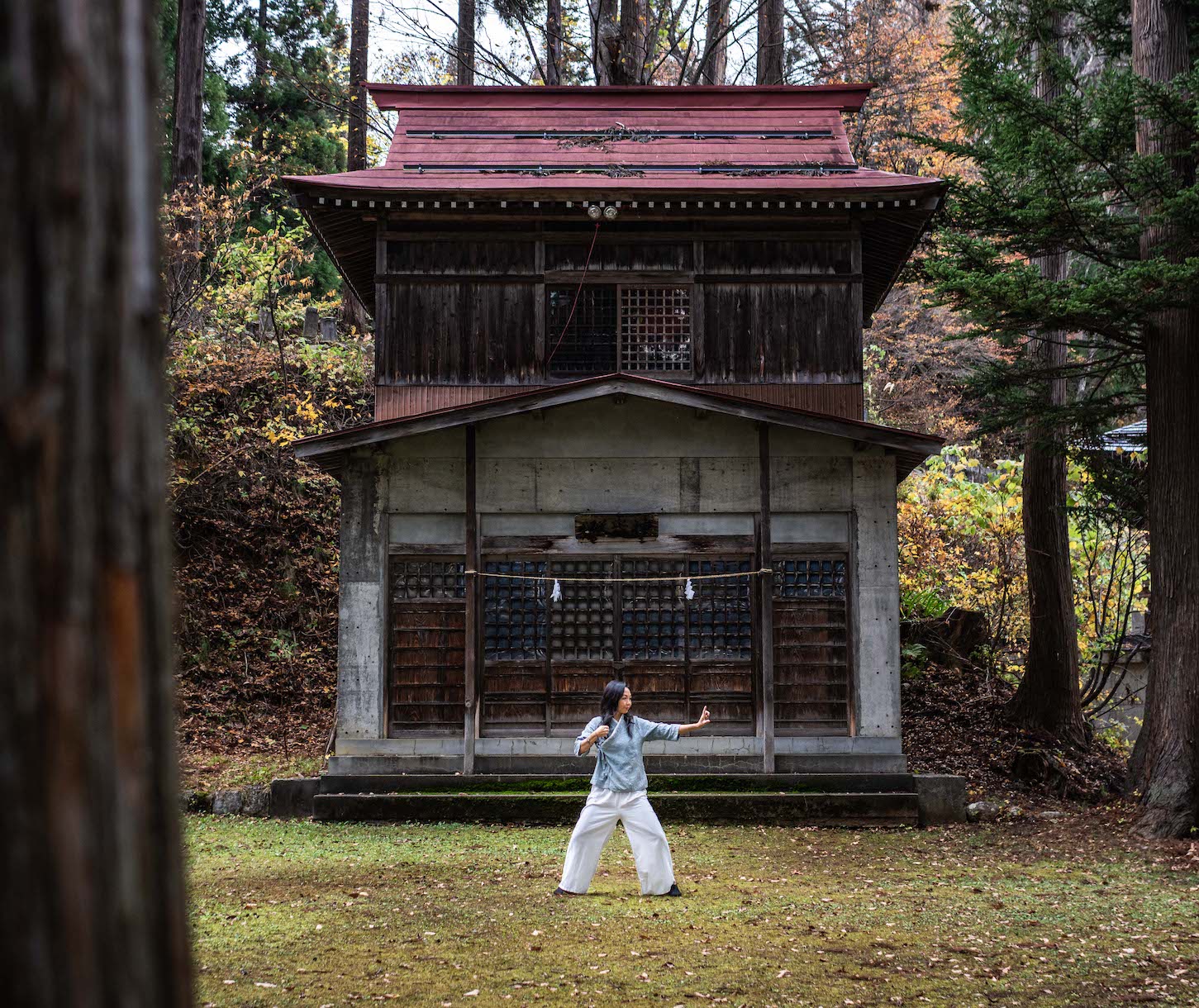
Step into a world of ancient wisdom and unlock the true power within you. Welcome to the fascinating practice of Qigong, a traditional Chinese discipline that combines movement, meditation, and breath control to cultivate vital energy, known as Qi. In this article, we delve deep into the captivating world of Qigong, exploring its history, techniques, and benefits.
Dating back thousands of years, Qigong is deeply rooted in traditional Chinese medicine and philosophy. It emphasizes the flow of Qi through the body's energy channels, promoting balance, harmony, and vitality. Through a series of gentle movements and focused breathing, practitioners harness their inner energy, fostering physical health, mental clarity, and emotional well-being.
Discover how Qigong can improve your posture, boost your immune system, and enhance your overall quality of life. Dive into the mystical world of this ancient practice, where mind, body, and breath unite to cultivate profound serenity and inner strength. Are you ready to unlock the power within and embark on a transformative journey? Let's delve into the transformative practice of Qigong together.
What is Qigong
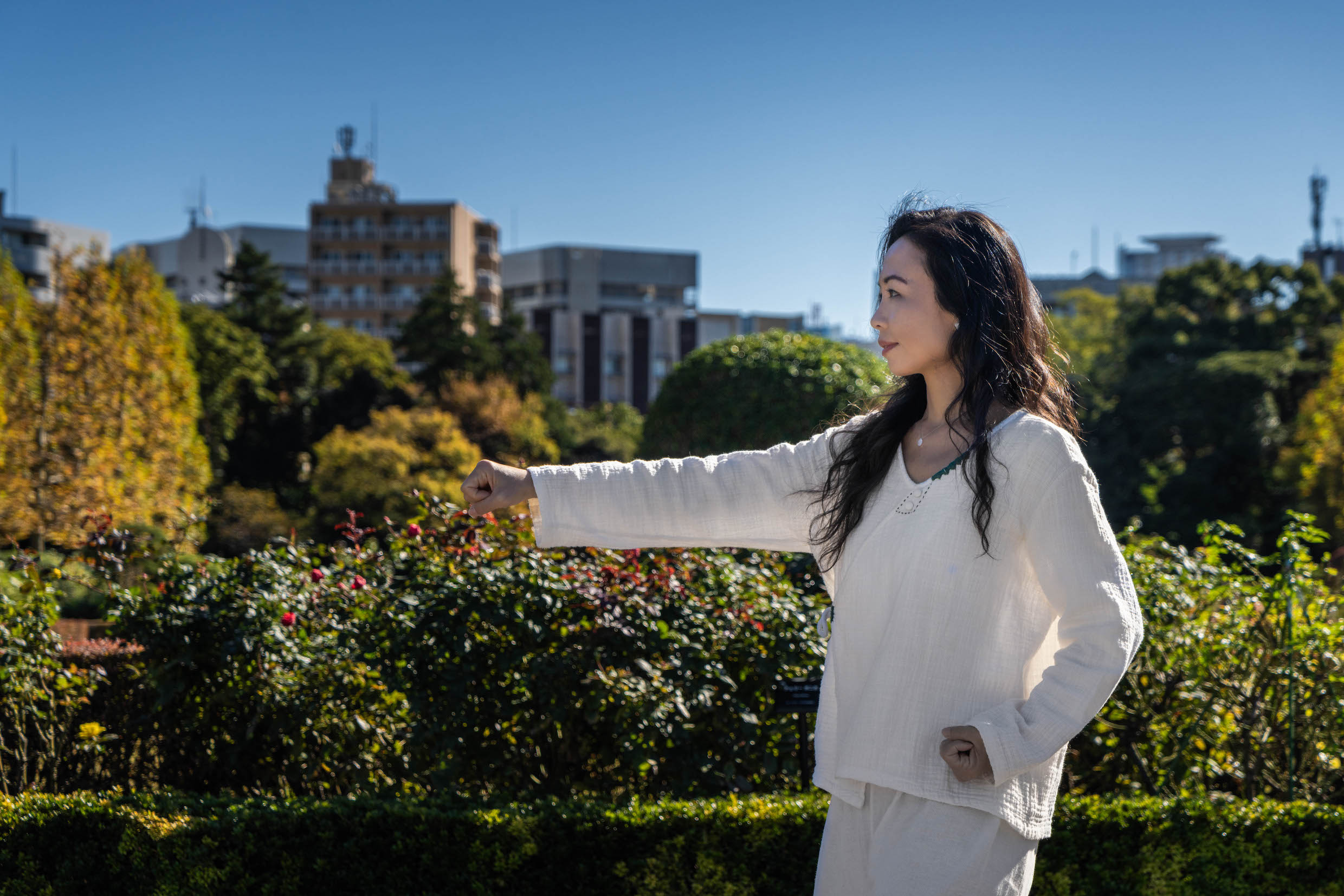
Qigong, pronounced "chee-gong," is an ancient Chinese practice that combines movement, meditation, and breath control to cultivate and harmonize the body's vital energy, known as Qi. This practice dates back thousands of years and is deeply rooted in traditional Chinese medicine and philosophy.
At its core, Qigong is based on the belief that Qi, the life force energy, flows through the body's energy channels, known as meridians. When Qi is balanced and flowing freely, it promotes overall health and well-being. Conversely, blockages or imbalances in Qi can lead to physical, mental, and emotional ailments.
The history and origins of Qigong
The origins of Qigong can be traced back to ancient China, where it was developed as a way to promote health, longevity, and spiritual growth. The practice has its roots in various ancient traditions, including Taoism, Buddhism, and Confucianism.
One of the earliest mentions of Qigong can be found in the ancient Chinese text known as the "Dao De Jing," attributed to the legendary sage Lao Tzu. This text emphasizes the cultivation of Qi through practices such as meditation, breath control, and gentle movements.
Over the centuries, Qigong evolved and adapted, incorporating elements from different schools of thought and merging with other healing practices. Today, there are numerous styles and forms of Qigong, each with its unique techniques and philosophies.
The principles and philosophy behind Qigong
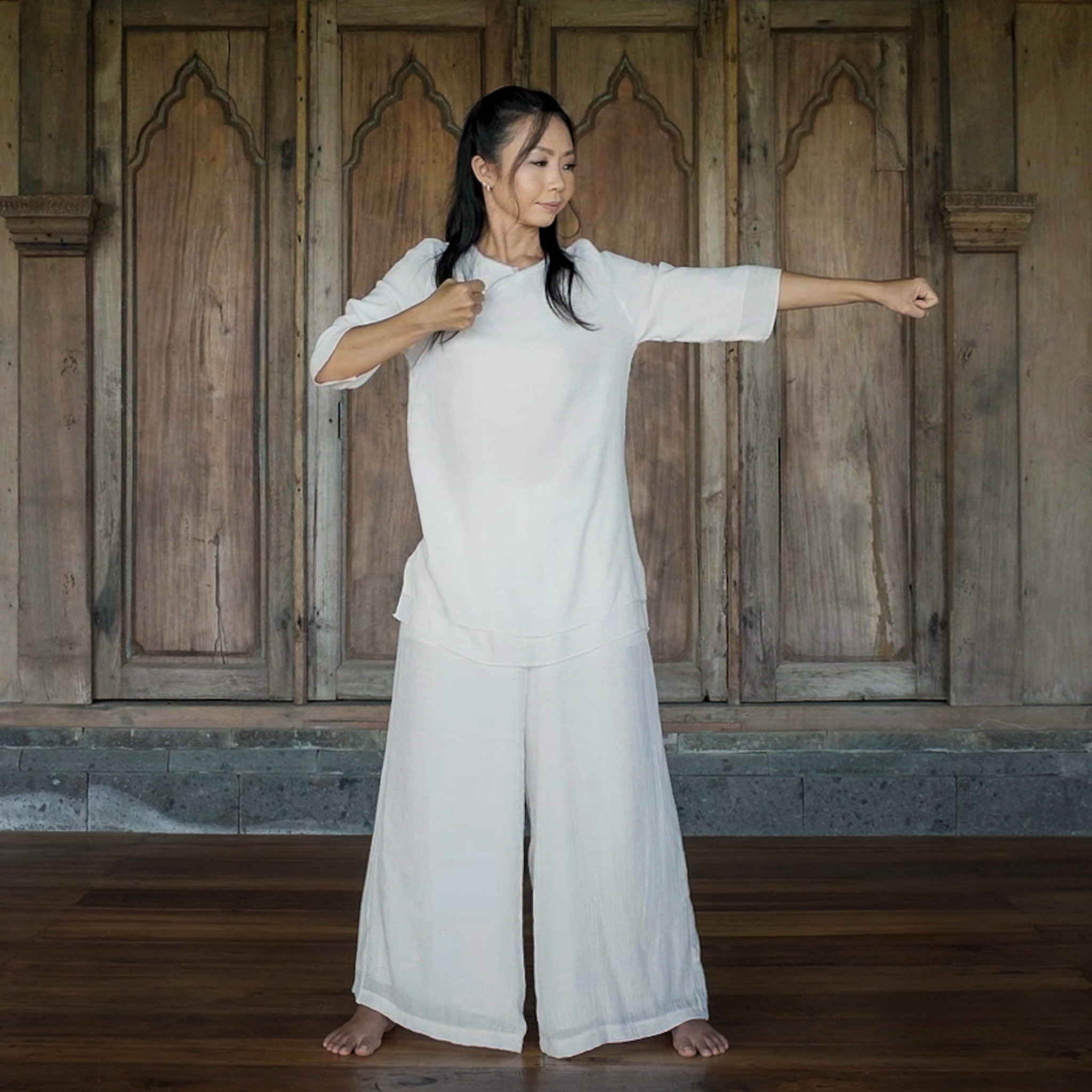
At the heart of Qigong are three fundamental principles: mind, body, and breath. These three elements work together to cultivate and harmonize Qi, leading to improved physical health, mental clarity, and emotional well-being.
Mind: Qigong emphasizes the power of the mind in directing and harnessing Qi. By cultivating a focused and calm mind, practitioners can enhance their ability to connect with their inner energy and experience a deeper sense of peace and clarity.
Body: The physical aspect of Qigong involves gentle movements, postures, and exercises that promote the flow of Qi throughout the body. These movements are often slow, deliberate, and coordinated with deep breathing, allowing practitioners to become more aware of their bodies and energy flow.
Breath: Conscious breathing is a vital component of Qigong practice. By focusing on deep, slow, and rhythmic breathing, practitioners can enhance the circulation of Qi and oxygen throughout the body. This deep breathing also helps to relax the mind, reduce stress, and promote a sense of calm.
Benefits of practicing Qigong
The practice of Qigong offers a wide range of benefits for both physical and mental well-being. Here are some of the key advantages of incorporating Qigong into your daily routine:
Improved physical health: Regular practice of Qigong can help improve posture, flexibility, and balance. The gentle movements and stretching exercises promote joint mobility, muscle strength, and coordination. Qigong has also been found to boost the immune system, improve cardiovascular health, and enhance overall vitality.
Mental clarity and focus: The meditative aspect of Qigong helps calm the mind, reduce stress, and improve mental clarity. By cultivating a focused and present state of mind, practitioners can enhance their ability to concentrate, make clear decisions, and experience a greater sense of peace.
Emotional well-being: Qigong is known to have a positive impact on emotional health. The practice helps release tension, anxiety, and negative emotions, allowing practitioners to experience a greater sense of calm, balance, and emotional resilience. Regular practice of Qigong can also help improve sleep quality and reduce symptoms of depression and anxiety.
Stress reduction: In today's fast-paced and demanding world, stress has become a prevalent issue. Qigong provides a powerful tool for managing and reducing stress. The deep breathing, gentle movements, and meditative focus help activate the body's relaxation response, promoting a state of calm and relaxation.
Spiritual growth: Qigong has deep ties to spirituality and can be a powerful tool for personal growth and self-discovery. Through the practice of Qigong, individuals can cultivate a deeper connection with themselves, nature, and the universe. It can be a transformative journey, leading to a greater sense of purpose, inner peace, and spiritual awakening.
Different styles and forms of Qigong
Qigong encompasses a wide range of styles and forms, each with its unique techniques, movements, and philosophies. Here are some popular styles of Qigong:
Medical Qigong: This style of Qigong focuses on promoting physical healing and well-being. It is often used as a complementary therapy for various health conditions and is based on the principles of traditional Chinese medicine.
Taoist Qigong: Taoist Qigong draws inspiration from Taoist philosophy and aims to cultivate inner harmony and balance. It emphasizes the flow of Qi, meditation, and visualization techniques to enhance vitality and spiritual growth.
Buddhist Qigong: Buddhist Qigong integrates Buddhist principles and mindfulness practices into Qigong exercises. It focuses on cultivating compassion, wisdom, and a deeper understanding of the self and the world.
Martial Arts Qigong: This style of Qigong is commonly practiced by martial artists to enhance their physical abilities, energy, and internal strength. It combines Qigong movements with martial arts techniques, promoting both physical and spiritual development.
How to start practicing Qigong
Interested in starting your Qigong journey? Here are some steps to help you get started:
Find a qualified instructor: It is recommended to learn Qigong from a qualified and experienced instructor who can guide you through the proper techniques and ensure you practice safely. Look for local Qigong classes or workshops in your area.
Start with the basics: Begin with simple Qigong exercises that focus on cultivating awareness of breath and gentle movements. These foundational exercises will help you develop a strong foundation in Qigong practice.
Establish a routine: Consistency is key when it comes to practicing Qigong. Set aside dedicated time each day to engage in your practice, even if it's just a few minutes. Over time, you can gradually increase the duration and complexity of your practice.
Listen to your body: Pay attention to how your body feels during and after each Qigong session. If you experience any discomfort or pain, adjust your movements or seek guidance from your instructor. Qigong should be a gentle and nurturing practice.
Practice mindfulness: Qigong is not just a physical exercise; it is a practice of cultivating mindfulness and presence. Focus on the sensations in your body, the rhythm of your breath, and the energy flowing within you. Be fully present in each moment of your practice.
Be patient and persistent: Like any new skill, mastering Qigong takes time and dedication. Be patient with yourself and trust the process. With regular practice, you will gradually experience the transformative benefits of this ancient discipline.
Qigong exercises for beginners
Here are two simple Qigong exercises that are perfect for beginners:
Three-Circle Standing Qigong: Stand with your feet shoulder-width apart, knees slightly bent. Imagine a circle around your navel, and gently rotate your upper body in a clockwise direction, keeping your lower body stable. After a few rotations, switch to counterclockwise. Repeat for a few minutes, focusing on your breath and the flow of Qi.
Balancing Qi: Stand with your feet shoulder-width apart, hands relaxed by your sides. Inhale deeply, raising your arms in front of you, palms facing down. As you exhale, slowly lower your arms to your sides. Repeat this movement several times, visualizing the flow of Qi throughout your body with each breath.
Remember, these exercises are just a starting point. As you progress in your practice, you can explore more advanced forms and techniques.
Advanced Qigong techniques and practices
For those who have developed a strong foundation in Qigong and wish to deepen their practice, there are advanced techniques and practices to explore. These include:
External Qi Healing: This practice involves using Qi to heal and balance others. Advanced practitioners can learn to direct Qi energy to specific areas of the body to promote healing and alleviate pain.
Nei Gong: Nei Gong, also known as "internal work," focuses on developing internal strength and energy. It involves advanced breathing techniques, visualization, and meditation practices to cultivate and circulate Qi within the body's energy channels.
Qigong Meditations: Advanced Qigong practitioners often incorporate meditation into their practice. These meditations can involve visualizations, mantras, or simply focusing on the breath to deepen the meditative state and connect with the higher levels of consciousness.
Qigong with Martial Arts: For those with a background in martial arts, combining Qigong with martial arts forms can enhance both physical and energetic abilities. This advanced practice integrates Qigong movements, breath control, and mental focus into martial arts techniques.
Qigong retreats and workshops
If you're looking to immerse yourself in the world of Qigong and accelerate your progress, attending a Qigong retreat or workshop can be a transformative experience. These retreats offer a dedicated space and time to dive deeper into your practice, learn from experienced instructors, and connect with like-minded individuals.
During a Qigong retreat, you can expect a combination of Qigong practice sessions, meditation, lectures on Qigong philosophy, and opportunities to explore the surrounding nature. These retreats provide a supportive and nurturing environment for personal growth and self-discovery.
Conclusion: Harnessing the power of Qigong in modern life
Qigong, with its rich history, profound philosophy, and transformative practices, offers a powerful tool for personal growth and well-being in the modern world. By incorporating Qigong into your daily routine, you can unlock the power within, cultivate inner harmony, and experience a greater sense of vitality, clarity, and peace.
Whether you're a beginner or an advanced practitioner, Qigong has something to offer everyone. So why not embark on this ancient journey of self-discovery and unlock the true potential within you? Start practicing Qigong today, and witness the profound changes it can bring to your mind, body, and spirit.
Remember, the key to mastering Qigong lies in consistent practice, an open mind, and a willingness to explore the depths of your own being. So take a deep breath, step onto the path of Qigong, and unlock the power within you. The transformation awaits.